
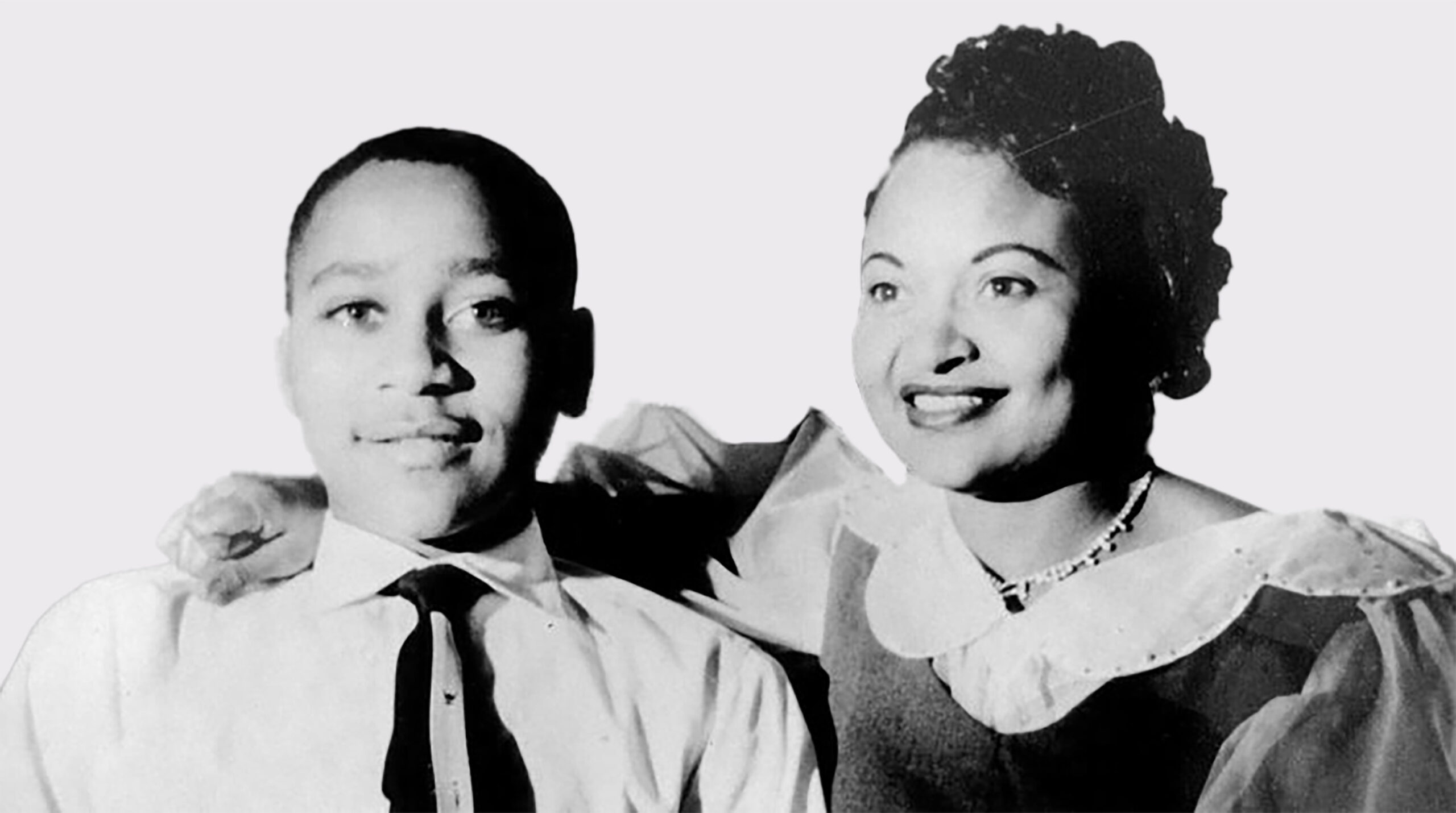
Mamie Till-Mobley (1921–2003) stands as a towering figure in American history—a symbol of resilience, advocacy, and transformational change. Born Mamie Elizabeth Carthan on November 23, 1921, in Webb, Mississippi, she lived her earliest years in the Jim Crow South before her family relocated to Argo, Illinois. There, Mamie thrived academically, becoming the first Black student to make the National Honor Society at the all-white Argo Community High School and only the fourth Black graduate in the school’s history. These achievements were early markers of her intellectual brilliance, strength of character, and determination to defy the limitations imposed by systemic racism.
Her son, Emmett Louis Till, was a vibrant and charismatic 14-year-old who had just celebrated his birthday on July 25, 1955. A spirited Leo, Emmett loved telling jokes and being the center of attention. Though he had developed a stammer after a childhood bout with polio, it never dimmed his joyful spirit or enthusiasm for life. In August of 1955, while visiting relatives in Money, Mississippi, Emmett was abducted and brutally lynched for whistling at a white woman. His murder shocked the conscience of the nation.
Rather than retreat into private mourning, Mamie Till-Mobley made a decision that would forever alter the trajectory of American history. She insisted on an open-casket funeral for her son, boldly declaring, “Let the world see what I’ve seen.” The searing images of Emmett’s mutilated body—published in Jet magazine and other outlets—ignited outrage and mobilized a generation. That singular act of defiance transformed a mother’s grief into a catalyst for the modern Civil Rights Movement.
Determined to ensure her son’s death would not be in vain, Mamie became a sought-after speaker and activist. She toured the country, sharing Emmett’s story and calling for justice. In collaboration with the NAACP and other civil rights organizations, she worked to expose the deep-rooted racism that allowed her son’s killers to walk free. Her eloquence, courage, and unwavering resolve made her one of the earliest and most essential voices in the struggle for racial justice in America.
Mamie Till-Mobley’s courage and clarity in the face of unthinkable loss inspired generations to confront injustice and demand systemic change. Her life and activism helped lay the moral foundation of the Civil Rights Movement, and her legacy endures as a beacon of hope, justice, and truth. In recognition of her lasting impact, the Emmett Till and Mamie Till-Mobley National Monument—established with sites in both Chicago and Mississippi—now stands in his honor. It serves as a sacred reminder of the enduring power of a mother’s love and the unbreakable will to fight for a more just America.