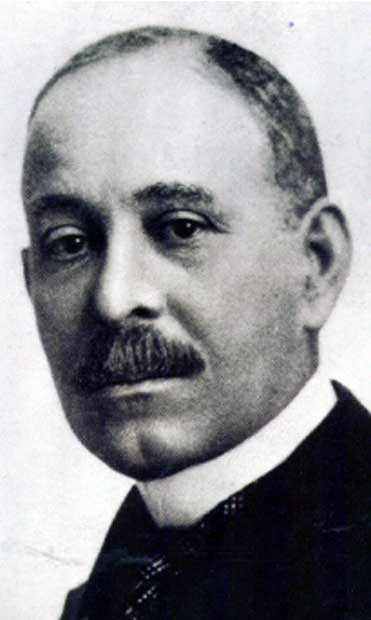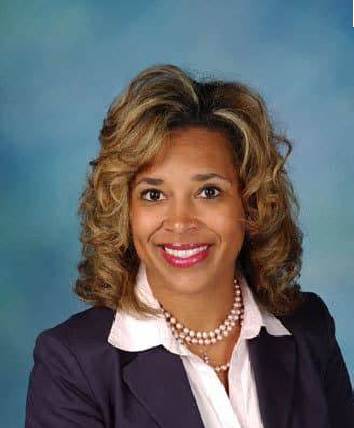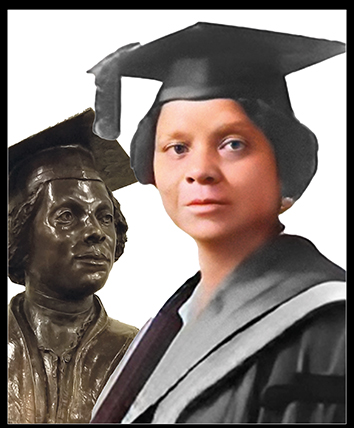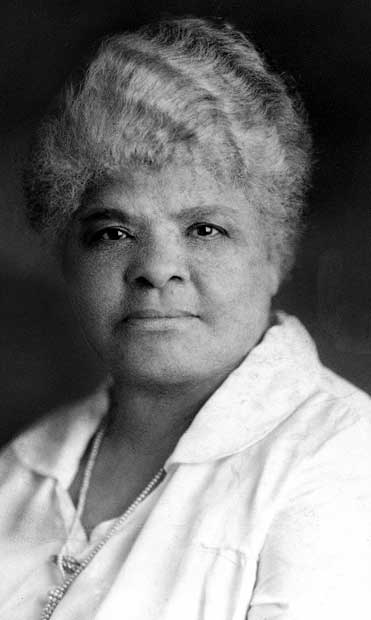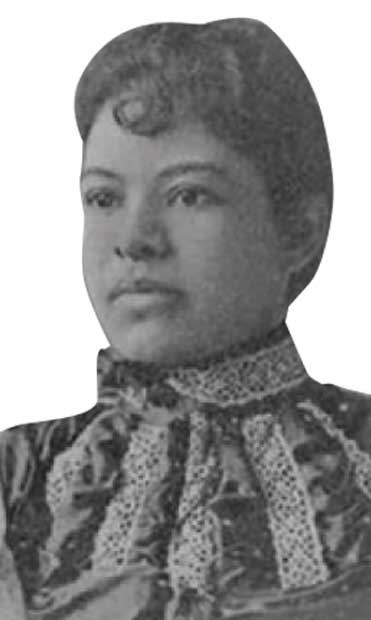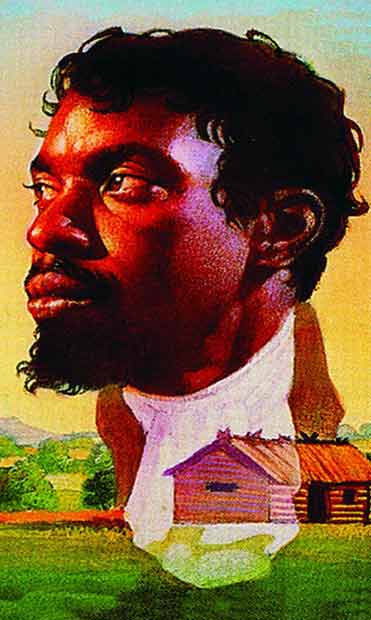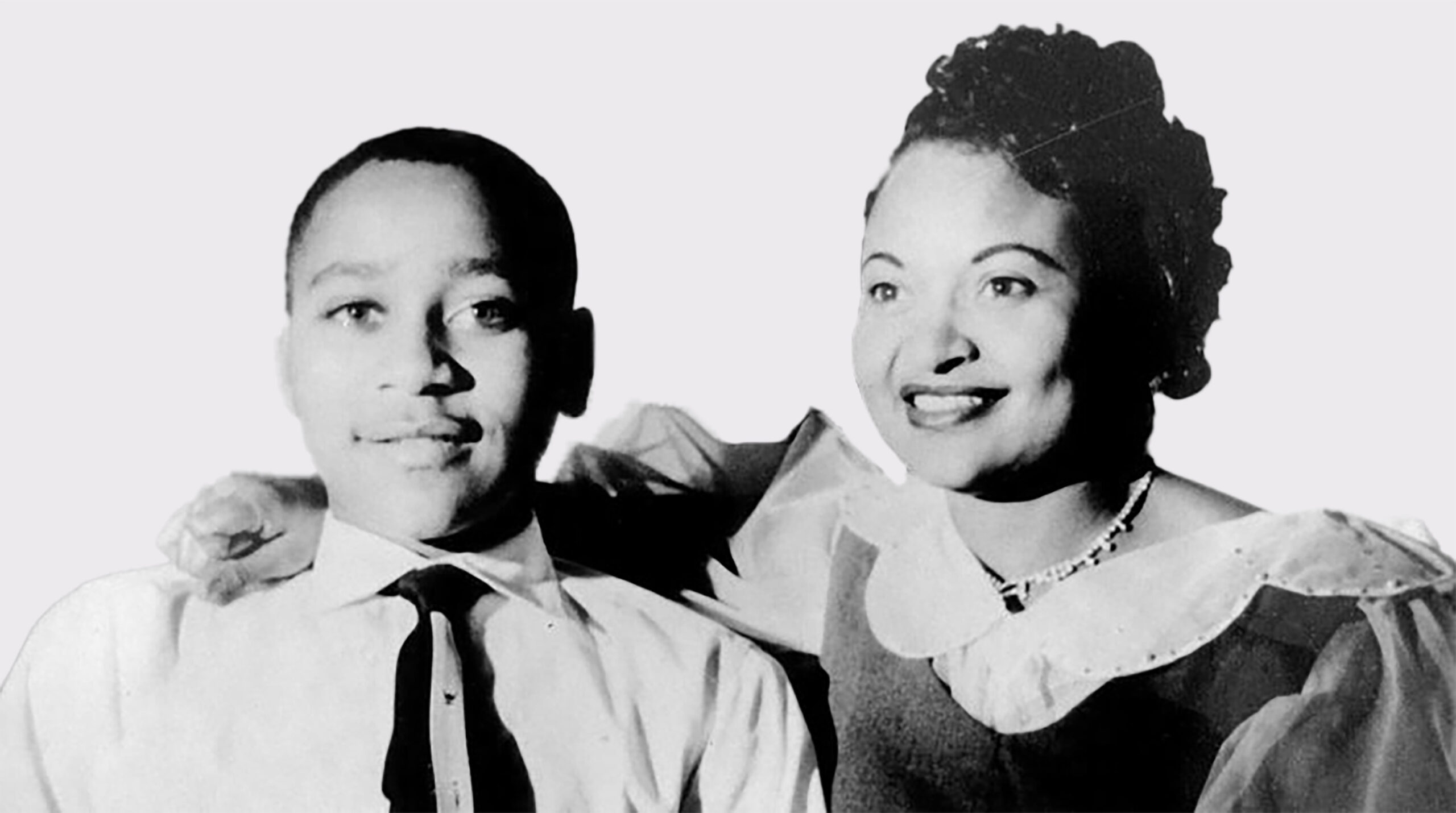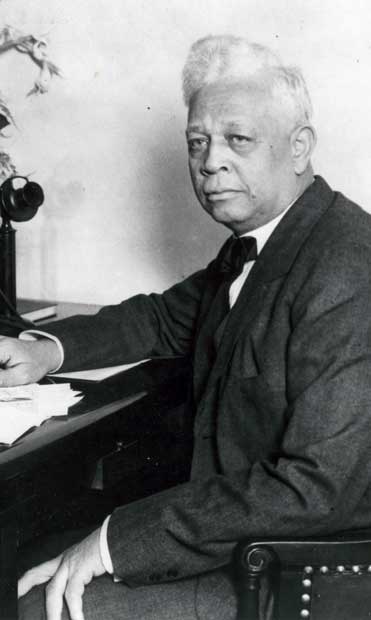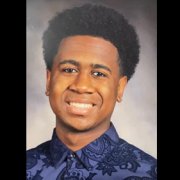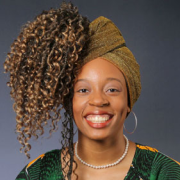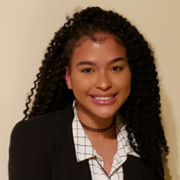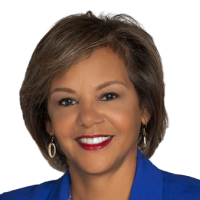
Our IBHOF Class of 2021
IBHOF Class of 2021
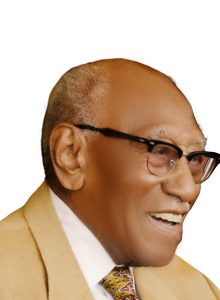
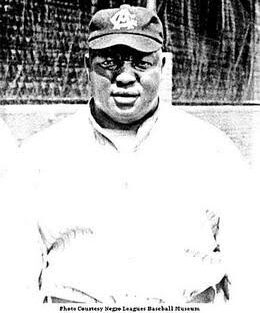
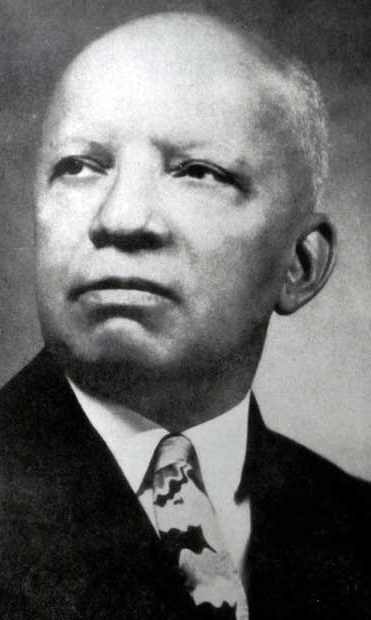
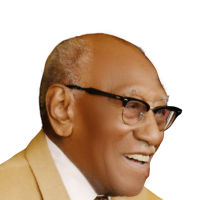
Dr. Timuel D. Black Class of 2021
Groundbreaking impact of his lifetime achievements
Dr. Timuel Black was born in Birmingham, Alabama, on December 7, 1918, but was raised in Chicago – a place he loves to call home. He is a revered and highly respected educator, political activist, community leader, oral historian and philosopher. After matriculating from Burke Elementary School and DuSable High School in Chicago, Black enrolled at Roosevelt University.
There, he received his bachelor’s degree. Black also later earned a master’s degree from the University of Chicago. One of his first jobs involved working as a field representative for the Metropolitan Burial Society.
After being drafted into the Army during World War II, Black returned to school and became a social worker. He has taught at a variety of high schools as well as colleges and universities. He is a pioneer in the independent black political movement and coined the phrase “plantation politics.” Timuel Black has run for public office several times, including campaigns for Chicago’s 4th Ward alderman, state senator of the 22nd District and state representative of the 22nd District. Black has spent his life furthering the cause of social justice.
Black has recently completed a book, Bridges of Memory: Chicago’s First Wave of Great Migration. The book chronicles black Chicago history from the 1920s to the present, and is based on interviews he conducted.
Source: https://www.thehistorymakers.org/biography/timuel-black-40
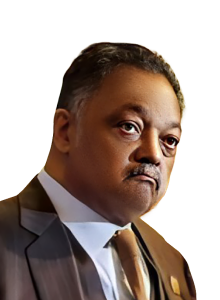
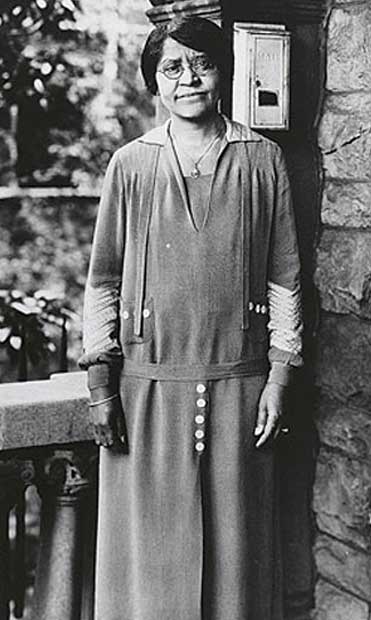
Jesse Jackson Class of 2021
Political activist, Baptist minister, and Civil Rights icon
Known for the inspirational quote, Keep Hope Alive, Jesse Louis Jackson is an American political activist, Baptist minister, and politician born on October 8, 1941 in Greenville, SC. He was a candidate for the Democratic presidential nomination in 1984 and 1988 and served as a shadow U.S. Senator for the District of Columbia from 1991 to 1997. Living under Jim Crow segregation laws, Jackson was taught to go to the back of the bus and use separate water fountains—practices he accepted until the Montgomery bus boycott of 1955.
He attended the racially segregated Sterling High School in Greenville, where he was elected student class president, finished tenth in his class, and earned letters in baseball, football and basketball. Upon graduating from high school in 1959, he rejected a contract from a minor league professional baseball team so that he could attend the University of Illinois on a football scholarship. After his second semester at that predominantly white school, Jackson transferred to North Carolina Agricultural and Technical State University (N.C.A&T) , a historically black university in Greensboro, North Carolina. At N.C.A&T, Jackson played quarterback and was elected student body president. He became active in local civil rights protests against segregated libraries, theaters and restaurants.
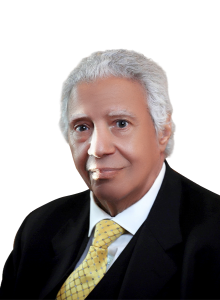
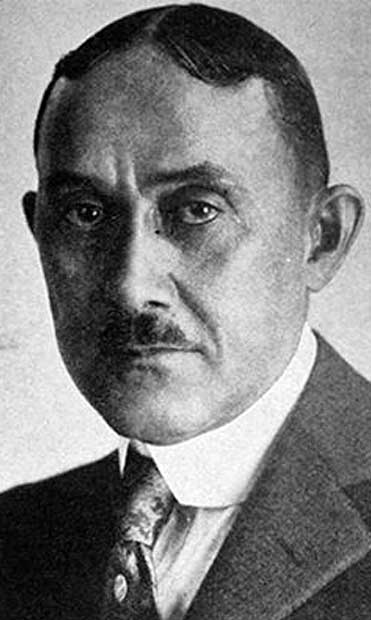
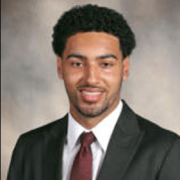
Spencer Leak, Sr. Class of 2021
President and funeral director of Leak and Sons Funeral Chapel
Spencer Leak, Sr. is the son of a pioneering Chicago mortician A.R. Leak who opened Unity Funeral Home in Chicago in 1933 and A.R. Leak Funeral Chapels in 1938. Spencer and his three brothers attended Raymond Elementary School. He graduated from Hyde Park High School in 1956. Leak went on to Wilson Junior College and graduated from Worsham College of Mortuary Science in 1959.
While serving with the United States Army in 1960, he was stationed in West Germany. Leak became president and funeral director of Leak and Sons Funeral Chapel in 1970. He returned to school, earning his Bachelor of Science (B.S.) degree from Daniel Hale Williams College in 1979 and Master of Science (MS) degree in criminal justice from Chicago State University in 1981.
Spencer Leak also became involved in the Civil Rights Movement. In 1964, he joined 10,000 activists led by his father and Reverend Clay Evans to protest the racially segregated Oak Woods Cemetery. That same year, A.R. Leak Funeral Home opened its doors to thousands who wanted to view the body of singing legend Sam Cooke. Leak then held a series of positions in public service: Consumer Affairs Chief; Illinois Attorney General (1982-1985); Executive Director, Cook County Department of Corrections (1987-1991); Deputy Chief Inspector-General, Illinois Secretary of State (1991-1993); Manager, Illinois Vehicle Services (1993-1999); Deputy Director, District 1, Illinois Department of Corrections (1993-1999); and Commissioner, Illinois Human Rights Commission (1999-present).
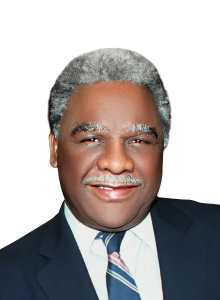
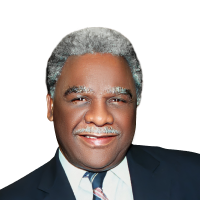
Harold Washington Class of 2021
Chicago’s first black mayor
Harold Washington was Chicago’s first black mayor. He won this historic election on April 12 1983, by a narrow margin. Washington abandoned an outwardly safe congressional seat after winning a second term in the U.S. House in order to run for mayor of Chicago, and he made history when he became the first African American to hold the influential elective position.
Born into and raised in a political family, Harold Washington converted his early access to prominent lawmakers and the local government structure into a memorable career as a Chicago politician. Harold Washington attended Forrestville School and DuSable High School in Chicago before dropping out between his junior and senior year.
His diploma was awarded after his military service. He enrolled in the Civilian Conservation Corps in 1939. He worked in a meat–packing plant and the U.S. Treasury before being drafted into the military in 1942. Washington served with the U.S. Air Force Engineers in the Pacific until 1946.
During World War II, Washington served in the 1887th Engineer Aviation Battalion, rising to the rank of first sergeant. Among other honors, Washington received the American Campaign Medal and was honorably discharged in 1946.
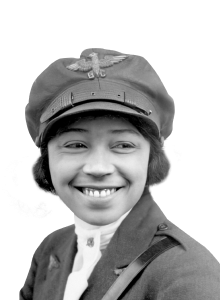
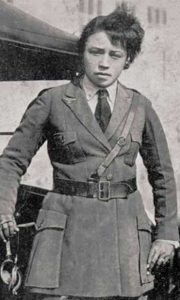
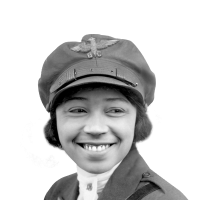
Bessie Coleman Class of 2021
First African-American woman to earn an International Pilot’s License
Bessie Coleman aka Elizabeth Coleman (1892 – 1926), an aviator was a star of early air shows. She was the first African-American woman to earn an International Pilot’s License. Coleman was born in Atlanta, Texas. One of 13 children, Coleman grew up in Waxahatchie, Texas. Her parent were sharecroppers. She attended a small, segregated school and helped her family by working in the cotton fields. Before joining her brothers in Chicago, she briefly attended college in Langston, Oklahoma. In Chicago she worked as a manicurist and restaurant manager. While listening to her brothers’ tales of WWI French female pilots, Coleman became intrigued and inspired to pursue a career in aviation.
Coleman’s efforts to receive flight training in the United States were met with an impenetrable barrier. Discrimination blocked fight instruction for African Americans, Native Americans, and women. Because of her gender and her race, no aviation school would enroll her. Robert Sengstacke Abbott, publisher of the Defender learned of Coleman’s desire to become a pilot and urged her to go abroad in pursuit of her dream. Coleman studied and became proficient in French. In 1920 Coleman was accepted at the Caudron Brothers School of Aviation in Le Crotoy, France. Robert Sengstacke Abbott and Jesse Binga, a banker, assisted with her tuition. On June 15, 1921, Bessie Coleman became the first American woman to obtain an international pilot’s license.